








Travel guide of Vietnam
When to go, what the weather's like month by month, what to see, what documents to bring, and where to sleep. The hard part will be not ordering another coffee with egg.
Travel to vietnam
Traveling to Vietnam: What you need to know
Vietnam is one of those trips that stays with you: from the aroma of pho broth first thing in the morning, to the sound of motorbikes, and to landscapes that seem straight out of a movie. In 12 days, you have time to explore it from end to end: the Cu Chi Tunnels and the Mekong Delta in the south, the Imperial City of Hue and the lanterns of Hoi An in the center, and in the north , Hanoi , a night on a junk boat in Halong Bay , and the rice terraces of Tam Coc.
The best time to travel to Vietnam is from February to April, when it hardly rains at all. The trick is that Vietnam is very long and each region has its own rainfall patterns: the north and south experience rain from May to October, and the central region from September to December (Hue receives 772,7 mm of rain in October).
This guide has everything you need: month-by-month weather , what to see in Vietnam from north to south, a 12-day itinerary , costs , required documents, currency and electrical outlets, accommodation options , and answers to your most frequently asked questions . And if you'd prefer a complete itinerary, we have one package tour to Vietnam starting from €2.270 with flights from Spain.
At a glance
Vietnam, in 30 seconds
The essentials to know if Vietnam is the trip for you. Spoiler alert: it is, although each region has its own calendar.
Best time to travel
When to go to Vietnam? Month to month
The most comfortable time to visit is from January to April. November and December are also good. From May to October, there is heavy rainfall in the north and south (293,5 mm in Hanoi in August), and from September to December, it's the turn of the central region: 772,7 mm fell in Hue in October.
The weather in Vietnam by season
Winter · December to February
Hue, maximum temperatures between 24 and 25 °C
In Hanoi, it's cool and gray: highs around 20°C and less than 70 hours of sunshine per month. In Saigon, it's dry, with temperatures around 32°C. The central region is still experiencing rain in December (349,9 mm in Hue), which eases off in January and February. In Hanoi, highs range between 20 and 22°C.
Spring · from March to May
Hue, maximum temperatures between 28 and 34 °C
The best time to travel around the country: March and April are dry almost everywhere with pleasant temperatures. Rain arrives in the north and south in May, and temperatures in the central region exceed 33°C. In Hanoi, highs range from 23 to 32°C.
Summer · June to August
Hue, maximum temperatures between 34 and 35 °C
Rain and humid heat in Hanoi and Saigon (293,5 mm in August in Hanoi), and typhoon season. The central region is the exception: little rain and beach sunshine in Da Nang, although with highs of around 34 °C. In Hanoi, highs between 32 and 33 °C.
Autumn · September to November
Hue, maximum temperatures between 27 and 32 °C
The north improves as soon as October ends: November is one of the best months in Hanoi. But in the central region, it's the time of heavy rainfall: 772,7 mm in October in Hue. In the south, the rains ease up in November. In Hanoi, highs range between 26 and 31 °C.
Vietnam during Holy Week
In 2027, it falls at the end of March, and it's one of the best times of the year: dry in almost the entire country, with highs of around 23°C in Hanoi, 28°C in Hoi An and Da Nang, and 34°C in Saigon. Half of Spain has had the same idea, so book well in advance.
Vietnam in summer: is it worth it?
It's possible, but you know what to expect: in Hanoi and Saigon it's the rainy season (293,5 mm in Hanoi in August) and typhoon season. Central Italy, on the other hand, is at its best for beach weather: in July, Da Nang boasts 246 hours of sunshine and only 92,5 mm of rain, though the highs are around 34°C.
Vietnam at Christmas and New Year's
The north and south are a ten out of ten: around 22°C high in Hanoi (with a low of 15°C, a jacket is recommended for the evening) and dry Saigon, at around 32°C. The central region is still drenched: 349,9 mm in December in Hue.
And in October or November?
For the north, November is one of the best times of year: around 26°C in Hanoi and little rain. But it's precisely when the central region gets the heaviest rainfall (772,7 mm in October and 641,7 mm in November in Hue), so if your route takes you through Hue and Hoi An, allow plenty of time.
Climate
The weather in Vietnam, city by city
Maximum and minimum temperatures, rainfall, and hours of sunshine for each month in the north, center, and south. Hint: It doesn't rain all over the country at the same time.
| Hanoi | Jan | Feb | Mar | Apr | May | Jun | Jul | Aug | Sep | Oct | Nov | Dec |
|---|---|---|---|---|---|---|---|---|---|---|---|---|
| Maximum (°C) | 19,9 | 20,8 | 23,3 | 27,5 | 31,5 | 33,4 | 33,2 | 32,4 | 31,3 | 29,2 | 25,8 | 22,1 |
| Minimum (°C) | 14,3 | 15,8 | 18,4 | 21,7 | 24,3 | 26 | 26,3 | 25,8 | 24,6 | 22,2 | 18,7 | 15,3 |
| Rain (mm) | 28,2 | 26,5 | 45 | 83,1 | 189,4 | 232,5 | 254,6 | 293,5 | 228,8 | 184,8 | 87,4 | 36,9 |
| Sun (hours) | 66 | 50 | 50 | 88 | 170 | 167 | 182 | 167 | 162 | 146 | 133 | 110 |
| Beanies | Jan | Feb | Mar | Apr | May | Jun | Jul | Aug | Sep | Oct | Nov | Dec |
|---|---|---|---|---|---|---|---|---|---|---|---|---|
| Maximum (°C) | 23,5 | 24,5 | 27,5 | 31,1 | 33,5 | 34,7 | 34,7 | 34,2 | 31,7 | 29 | 26,5 | 23,8 |
| Minimum (°C) | 17,5 | 18,2 | 20,2 | 22,7 | 24,5 | 25,3 | 25,2 | 25,1 | 24,1 | 22,8 | 21 | 18,6 |
| Rain (mm) | 129,3 | 63,3 | 51,3 | 58,9 | 111,3 | 103,4 | 94,6 | 138,8 | 410,7 | 772,7 | 641,7 | 349,9 |
| Sun (hours) | 104 | 110 | 141 | 176 | 231 | 233 | 237 | 210 | 169 | 131 | 101 | 76 |
| da Nang | Jan | Feb | Mar | Apr | May | Jun | Jul | Aug | Sep | Oct | Nov | Dec |
|---|---|---|---|---|---|---|---|---|---|---|---|---|
| Maximum (°C) | 25 | 26,2 | 28,3 | 31 | 33,3 | 34,5 | 34,4 | 33,9 | 31,8 | 29,5 | 27,4 | 25,1 |
| Minimum (°C) | 19,3 | 20,2 | 21,8 | 23,8 | 25,2 | 26 | 25,7 | 25,6 | 24,5 | 23,5 | 22,1 | 20 |
| Rain (mm) | 81,9 | 23,6 | 25 | 35,3 | 81,1 | 82,6 | 92,5 | 141,2 | 350,7 | 628 | 448,2 | 218,4 |
| Sun (hours) | 132 | 146 | 182 | 209 | 247 | 242 | 246 | 215 | 177 | 143 | 118 | 95 |
| Ho Chi Minh City | Jan | Feb | Mar | Apr | May | Jun | Jul | Aug | Sep | Oct | Nov | Dec |
|---|---|---|---|---|---|---|---|---|---|---|---|---|
| Maximum (°C) | 32 | 32,7 | 33,6 | 34,5 | 34,9 | 33,5 | 33 | 32,9 | 32,6 | 32,3 | 32,4 | 31,6 |
| Minimum (°C) | 23,4 | 23,1 | 24,9 | 26,4 | 26,4 | 25,5 | 25,2 | 25,1 | 25 | 25 | 24,9 | 23,9 |
| Rain (mm) | 12 | 8 | 18 | 57 | 202 | 224 | 231 | 219 | 273 | 240 | 128 | 41 |
| Sun (hours) |
Source: Official climatological normals of Vietnam, compiled by the Institute of Meteorology, Hydrology and Climate Change and published in the Ministry of Construction standard QCVN 02:2022/BXD, cited in Wikipedia (Hanoi: Ha Dong station; Hue and Da Nang). Ho Chi Minh City: World Meteorological Organization normals (1991-2020), without sunshine hours in the source.
What to see
The essentials from Vietnam
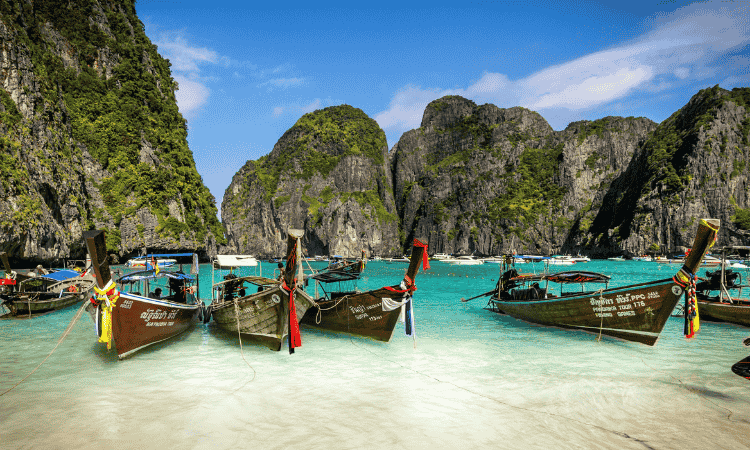
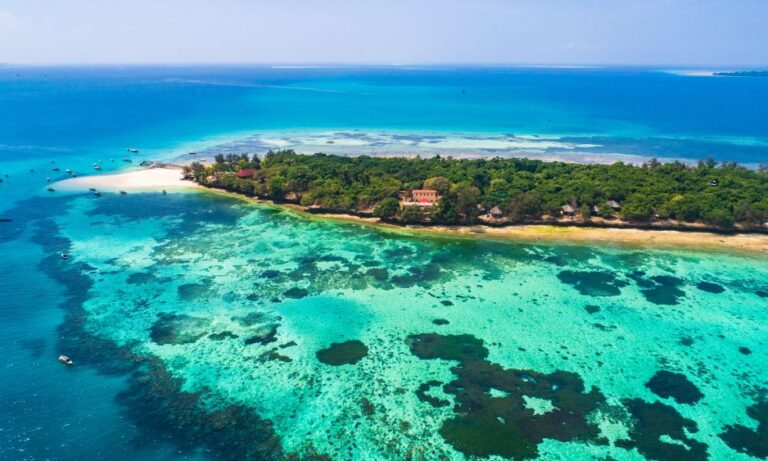
Besides Halong Bay, which you can already see in the photo above.
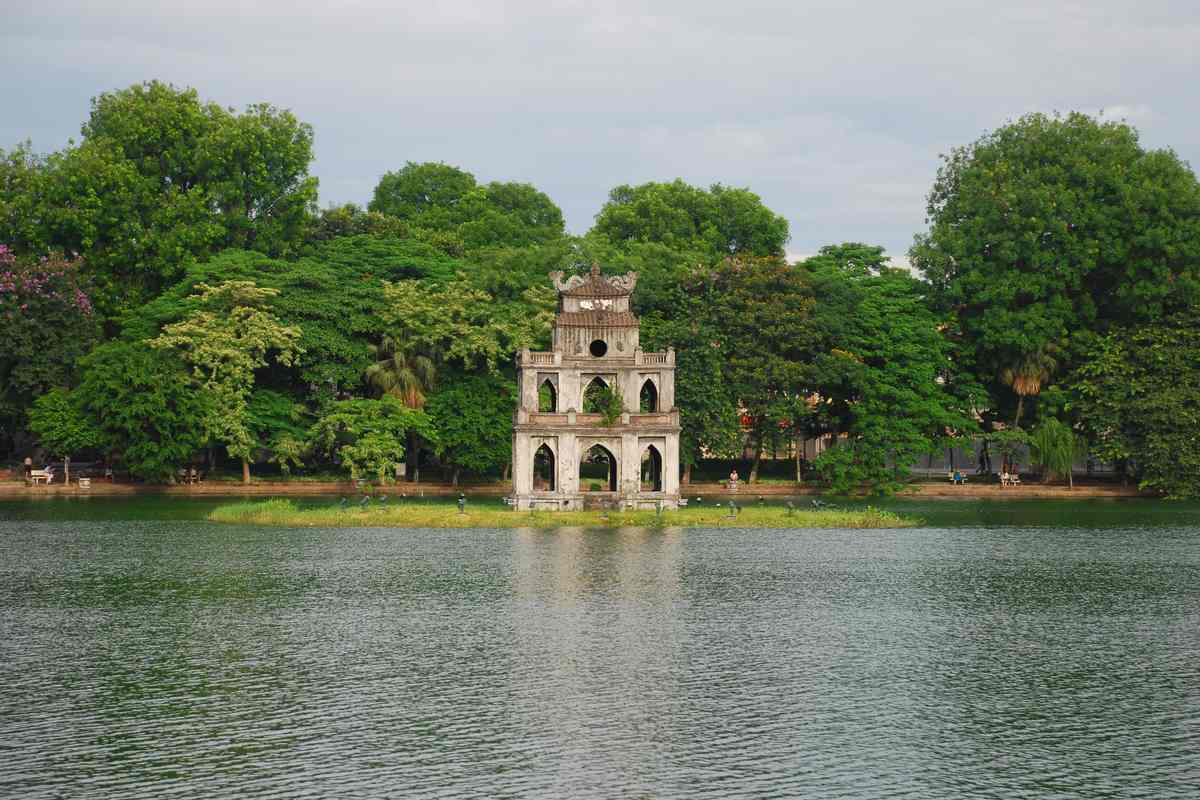 HanoiHoan Kiem LakeThe Turtle Tower in the middle of the lake and, around it, the old town with its motorbikes and cafes.
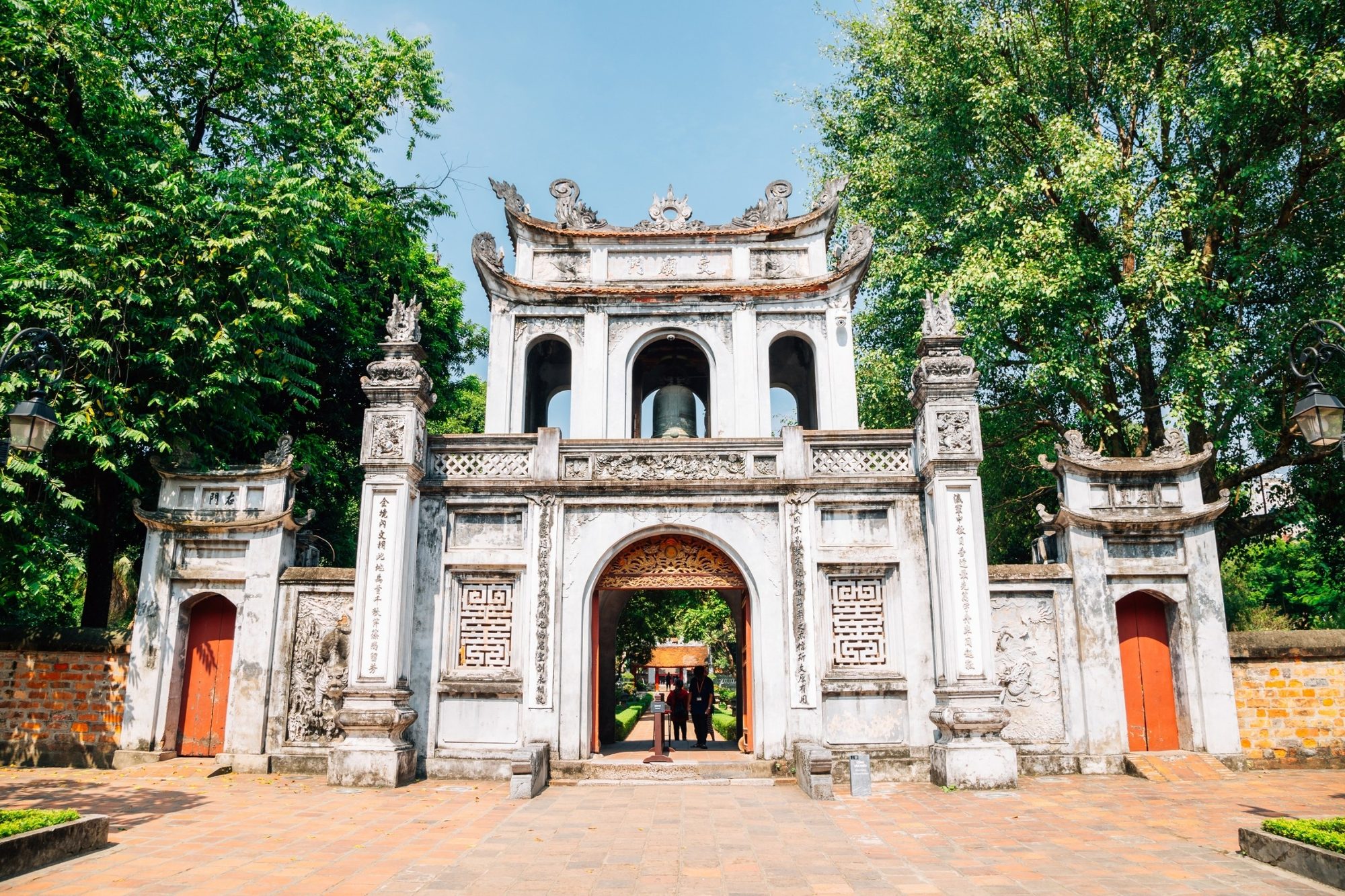 HanoiTemple of LiteratureVietnam's first university, with courtyards, ponds, and stone stelae. A haven in the heart of Hanoi.
 NorthHalong bayLimestone islets covered in jungle. Sleeping aboard a junk is one of the most memorable experiences.
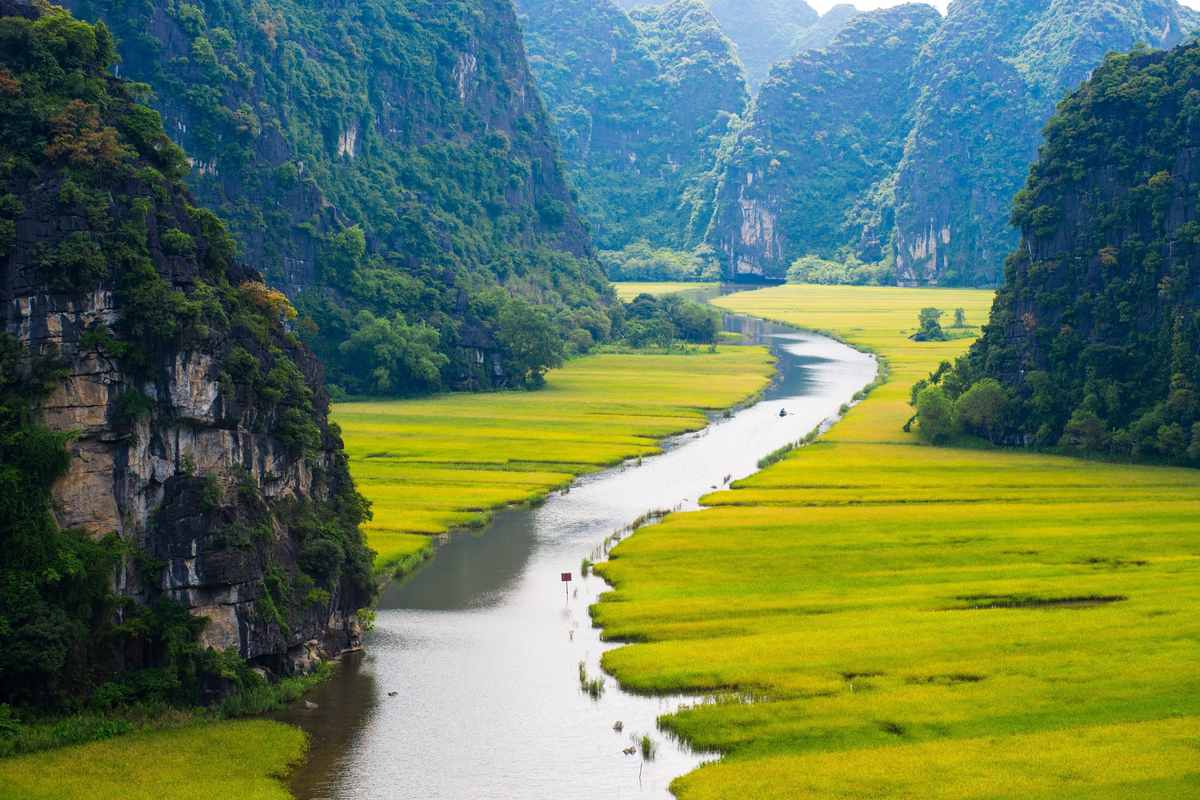 Ninh BinhTam CocoThe "Halong Bay on land": boat trip along the river between rice paddies and karst mountains.
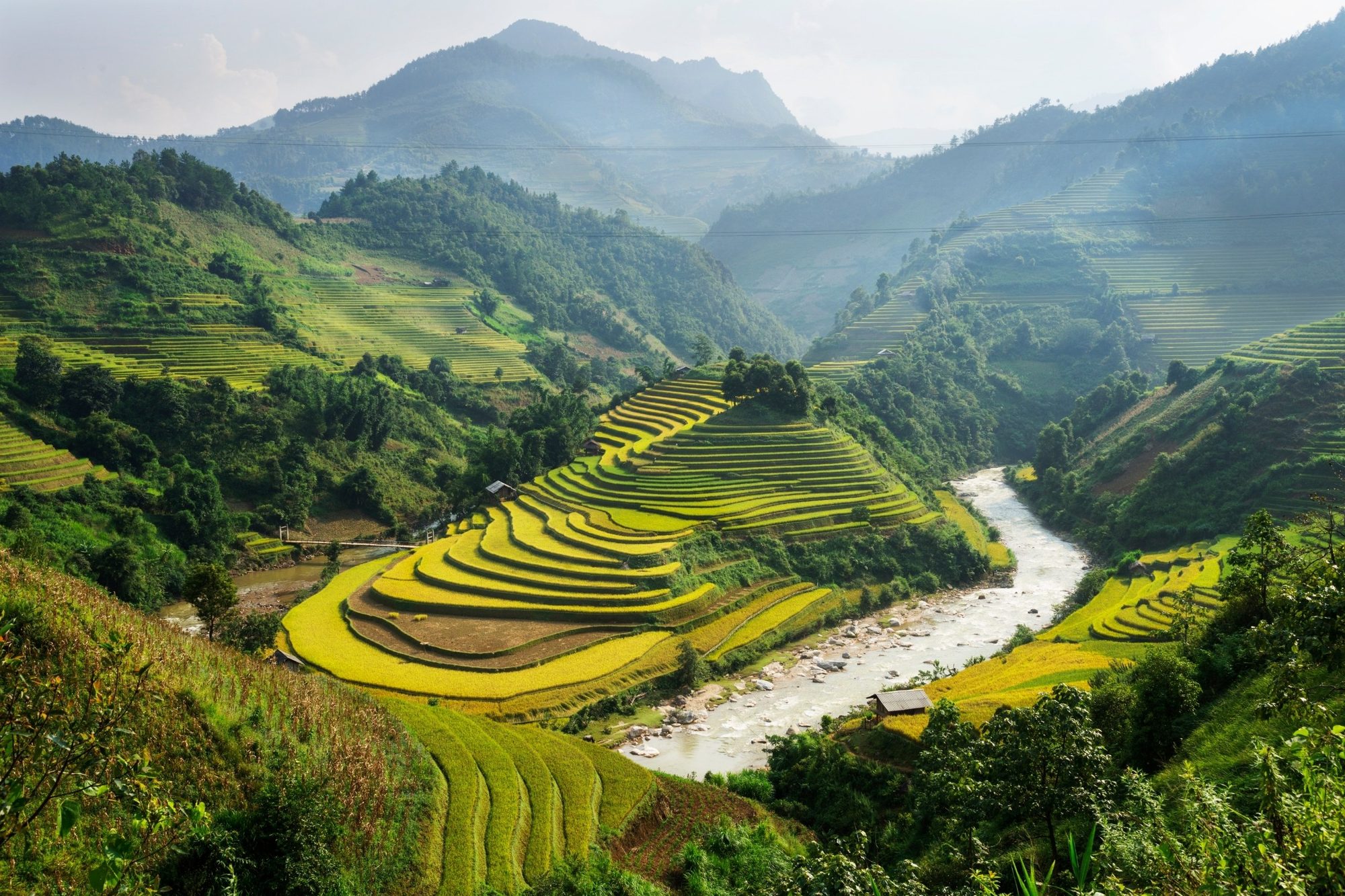 NorthSapaMountains, terraced rice paddies and ethnic minority villages, in the cooler north.
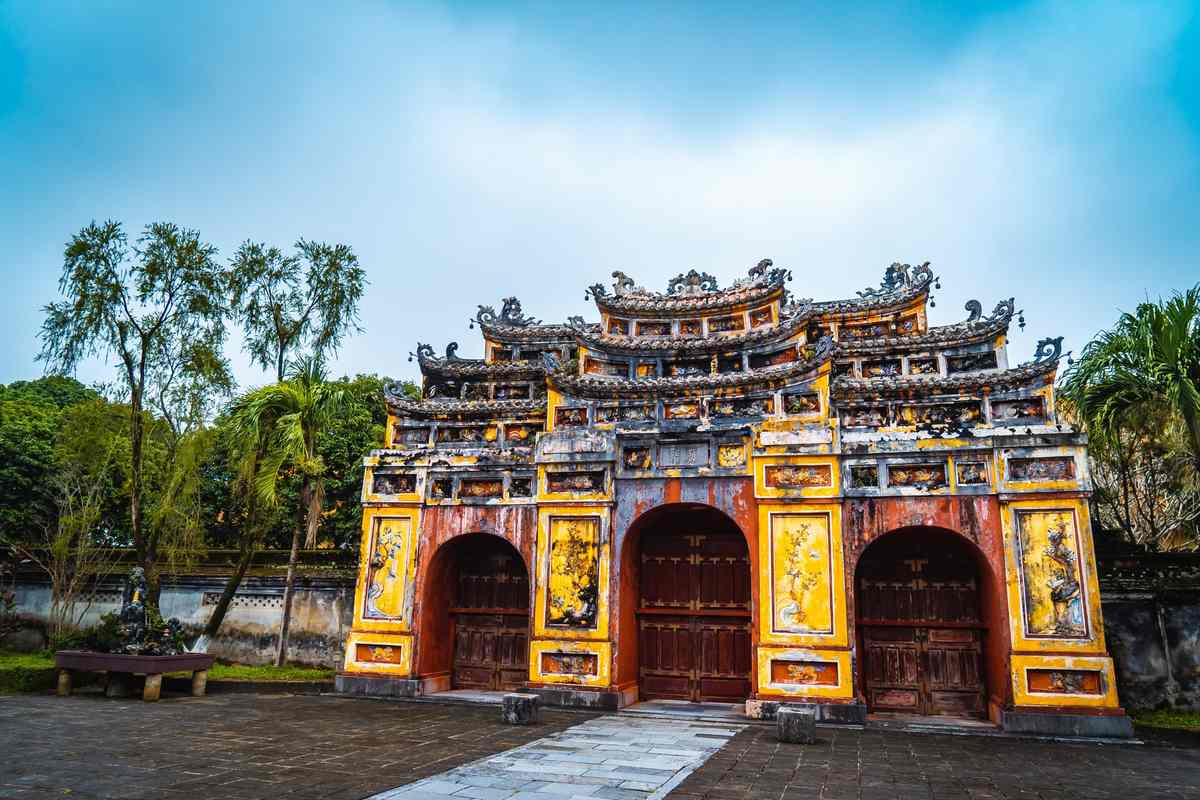 BeaniesImperial cityThe former capital of the Nguyen emperors, with its colorful gates and palaces.
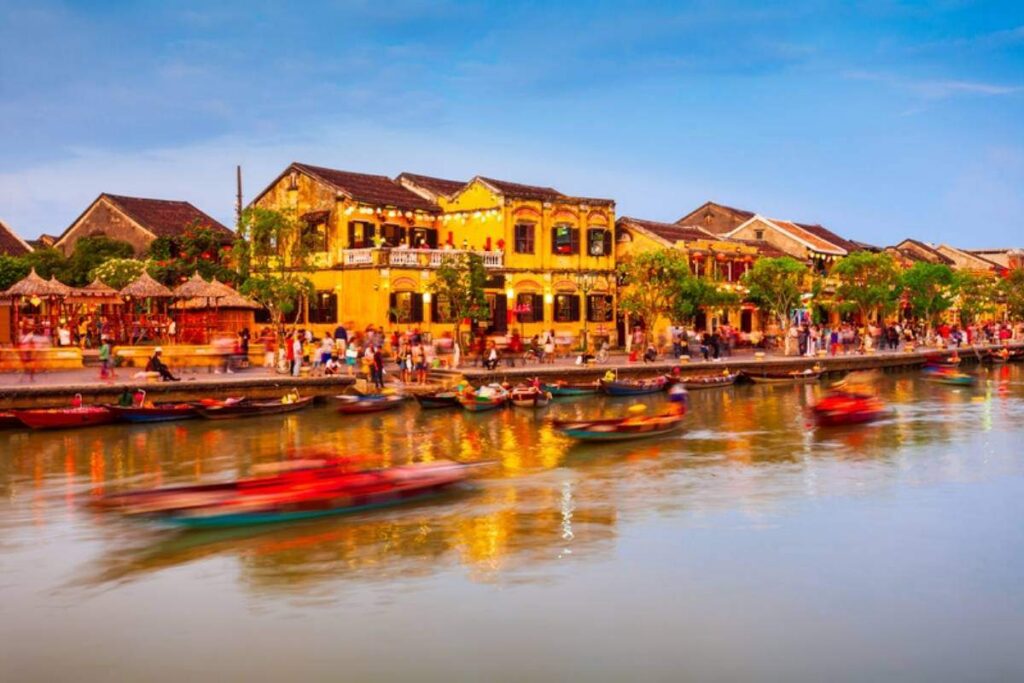
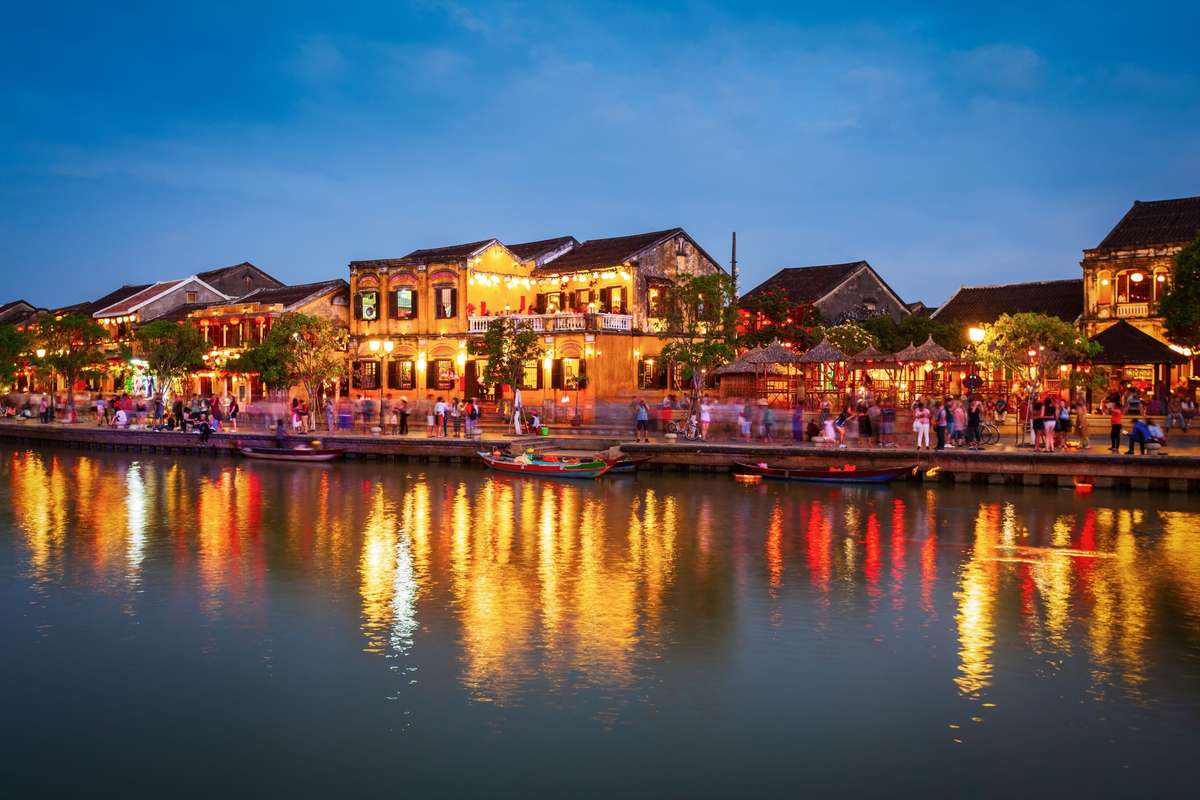 Hoi AnAncient Town of Hoi AnMerchant houses, the Japanese Bridge and lanterns reflected in the Thu Bon River at dusk.
 da NangBa Na Hills and the Golden BridgeCable car, a French colonial-style complex and the bridge held up by two giant hands.
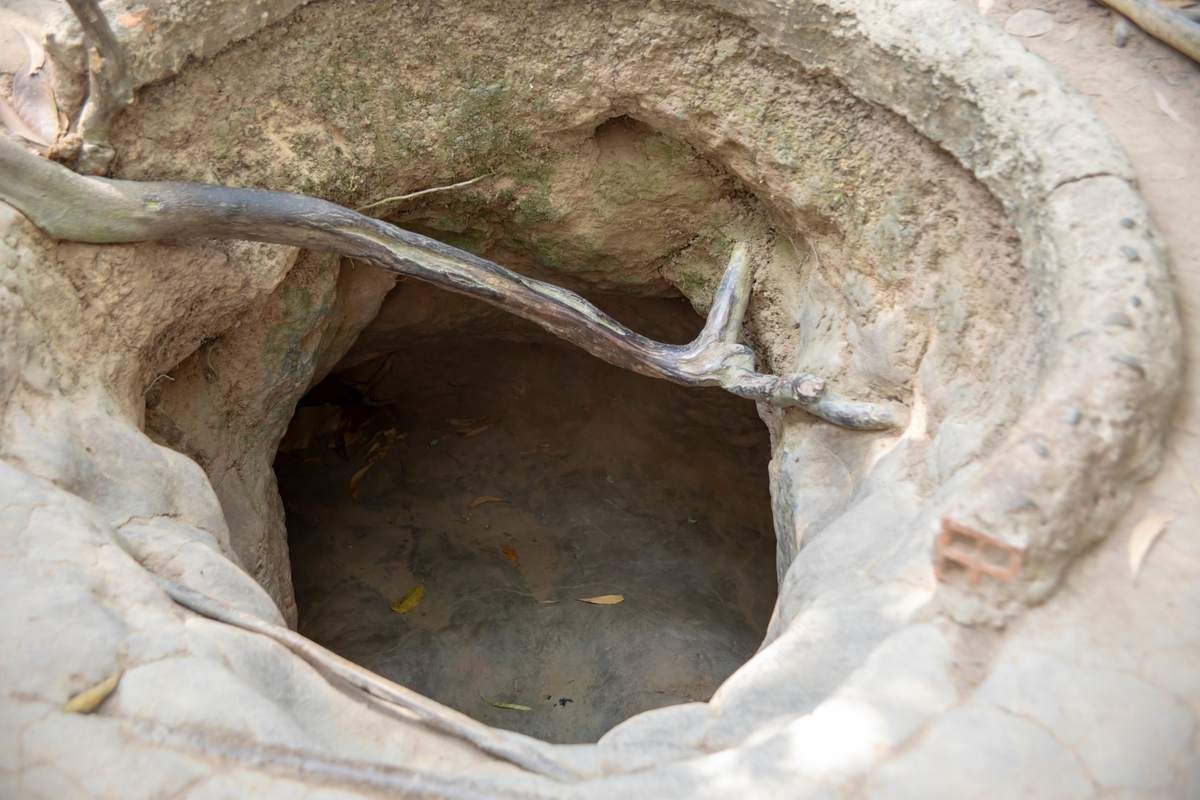 SaigonCu Chi TunnelsThe Vietnam War tunnel network, between the earth and the roots. Claustrophobics, beware.
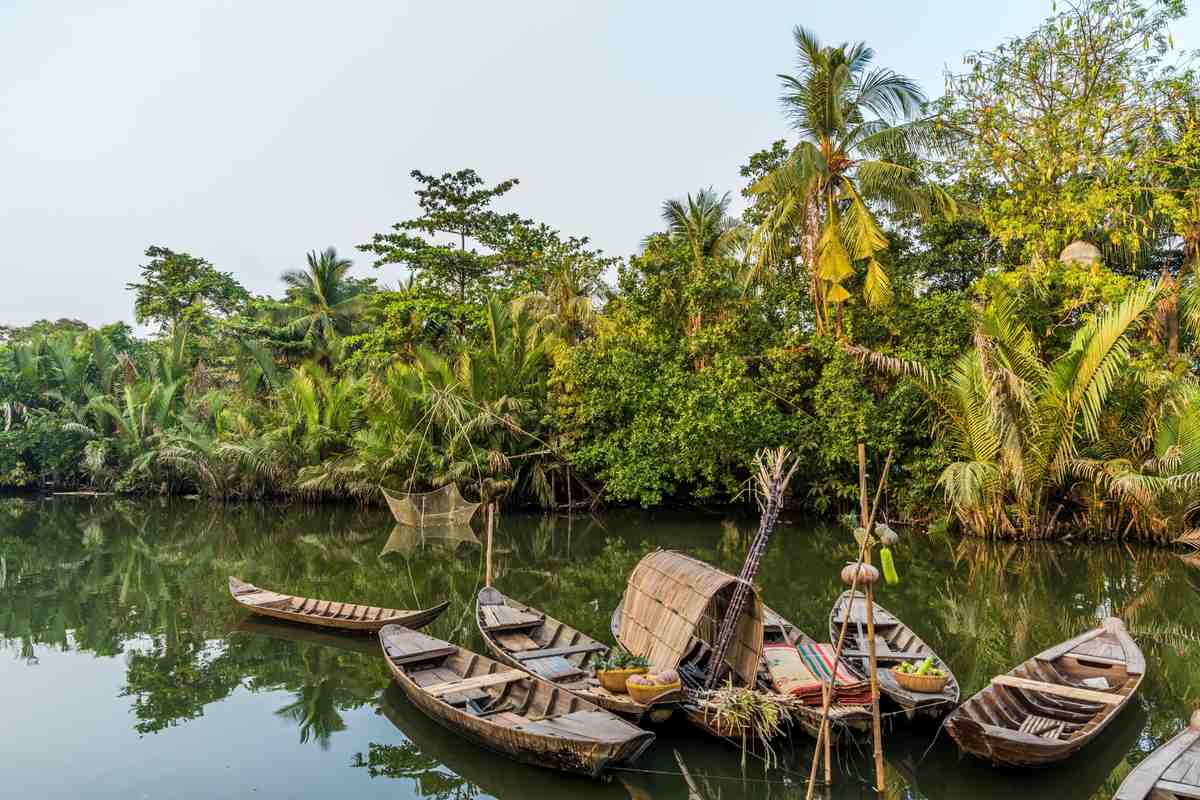 Speaking onMekong DeltaCanals among palm trees, wooden boats and the life that takes place on the riverbanks.
What to see in Vietnam, area by area
Hanoi
The capital is charming chaos: Hoan Kiem Lake and Ngoc Son Temple, the Old Quarter, Ho Chi Minh's Mausoleum and the Temple of Literature , the country's first university. Hop on a cycle (the classic three-wheeled taxi) to see it all at a pedaling pace, and between visits, enjoy an egg coffee.
Halong Bay and Ninh Binh
A few hours from Hanoi, Halong Bay is best viewed from the water, ideally while sleeping aboard a junk. Inland, in Ninh Binh, Tam Coc offers a rice-farming experience: a boat trip through karst mountains, and for those looking for a workout, the steps of Hang Mua.
Sapa and the northern mountains
The Vietnam of terraced rice paddies and ethnic minority villages, near the border with China. It's cooler than the rest of the country and deserves a couple of days' separate visit if you have the time.
Beanies
The former imperial capital, on the banks of the Perfume River : the Imperial City , the Thien Mu Pagoda, and the mausoleums of emperors such as Minh Mang and Khai Dinh. Best explored by boat, which is how you reach several of them.
Hoi An and Da Nang
Hoi An's old town is perfect for leisurely strolls: merchant houses, the Japanese Bridge , Chinese temples, and lanterns at dusk. There's so much to see in Hoi An . Nearby, Da Nang boasts a beach, and in the mountains, you'll find Ba Na Hills with its Golden Bridge.
Saigon and the Mekong Delta
Ho Chi Minh City, Saigon to most of the world, is the most modern part of Vietnam: the Reunification Palace, the Central Post Office, the cathedral, and Ben Thanh Market . Just outside the city are the Cu Chi Tunnels , and to the south, the Mekong Delta , which can be explored by boat among canals and palm trees.
Want more details? Read about what to see in Hoi An, the city of lanterns.
Itinerary
From Saigon to Hanoi: the route that works
This is the complete Vietnam route: from south to north. The exact order may vary depending on the departure.
- Day 1 · DepartureFlight from Madrid or Barcelona with Cathay Pacific, with a stopover in Hong Kong.
- Day 2 · SaigonReunification Palace, Notre Dame Cathedral (exterior view), Central Post Office and Ben Thanh Market.
- Day 3 · Mekong DeltaThien Hau Pagoda, My Tho, boat trip on the Mekong and Vinh Trang Pagoda.
- Day 4 · Cu Chi and HueVisit to the Cu Chi tunnels and flight to Hue.
- Day 5 · Hue and Hoi AnImperial City, boat trip on the Perfume River, Thien Mu Pagoda and the mausoleums of Minh Mang and Khai Dinh. Afterwards, transfer to Hoi An.
- Day 6 · Hoi AnMerchant houses, Japanese Bridge and Phuc Kien Temple. Optional: Ba Na Hills and the Golden Bridge.
- Day 7 · Da Nang and HanoiFlight to Hanoi. Ho Chi Minh Mausoleum, Temple of Literature, cycle ride and Ngoc Son temple.
- Day 8 · Halong BayTransfer to Halong and wooden junk cruise, with overnight stay on board.
- Day 9 · Halong and HanoiBreakfast on board and return to Hanoi.
- Day 10 · Ninh BinhTam Coc, the land-based Halong Bay, and Hang Mua.
- Day 11 · ReturnTransfer to the airport and return flight with a layover in Hong Kong.
- Day 12 · ArrivalArrival in Madrid or Barcelona.
Budget
How much does it cost to travel to Vietnam? Less than you think.
Prices for package holidays including flights, per person in a double room. They update automatically.
| Travel | Days | Flight | From | In 3 installments | Enlace |
|---|---|---|---|---|---|
| Vietnam in its entirety: From south to north | 12 | 2 cities | 2.270 € | €756,66 today | View dates → |
A 12-day package tour to Vietnam, including flights from Spain, domestic flights, hotels, and tours, starts from €2.270 per person . Meals not specified in the itinerary , tips , and optional excursions are usually extra ; the details of each trip are listed on its page. Visas are free: with a Spanish passport, one is not required for stays of up to 45 days. And if you prefer not to pay upfront, for bookings up to €4.000, you can pay in 3 interest-free installments with Scalapay.
Before going
Papers, money, and plugs. Boring problem solved.
Things to keep in mind before packing your suitcase.
Documentation
Passport valid for at least 6 months. No visa required for stays of up to 45 days; for longer stays, an e-Visa is required. You must carry your passport with you while you are there.
Dinero
Vietnamese Dong (VND). Keep an eye on your card charges, as there have been cases of fraudulent use, and demand that your passport be returned to you as soon as it's photocopied at the hotel.
Language
Vietnamese. In hotels and tourist areas you can manage with English; outside of that, a translation app is very helpful.
Plugs
Types A, B, C and F, at 220 V. The most common are mixed plugs where the two round pins fit; for chargers with a ground connection, a universal adapter is best.
Time difference
Vietnam does not change its clocks. 6 hours ahead of mainland Spain, and 5 hours ahead when Spain is in summer time.
Health and Safety
The European Health Insurance Card is not valid: bring medical insurance that includes evacuation. Pack bottled water, be careful of ice, and use dengue fever repellent. Before you go, check the Vietnam travel guide from the Ministry of Foreign Affairs.
Revised November 5, 2026. Entry requirements change from time to time: please confirm them before traveling.
How to get around Vietnam
Vietnam is long and narrow, so long distances are covered by plane (domestic flights are included in package tours). In cities, taxis or cars with drivers are the way to go. Traffic is heavy and chaotic, and the Ministry of Foreign Affairs advises against renting a car or motorbike without a driver: this isn't the time to be a beginner.
What to eat in Vietnam
Try these dishes: pho (rice noodle soup, also for breakfast), banh mi (a baguette sandwich, a French influence), bun cha (grilled pork with noodles, a Hanoi classic), goi cuon (fresh spring rolls), and, in Hoi An, cao lau . To drink, try coffee with condensed milk or, in Hanoi, egg coffee.
What to pack in your suitcase
Pack lightweight, quick-drying clothing, a raincoat, comfortable shoes, mosquito repellent, and sunscreen. If you're going between December and February, bring a jacket for Hanoi and Halong Bay, as it gets chilly. Also, pack something to cover your shoulders and knees for visiting pagodas and Ho Chi Minh's Mausoleum.
Tips that will save you trouble
Wear your bag across your body and in front of you: snatching and slashing are common in markets and tourist areas. Always carry bottled water. Keep your passport handy, as it's required by law, but don't leave it at the hotel reception. And cross the street at a steady pace, without running or stopping: motorbikes will swerve around you.
Where to sleep
Hotels in Vietnam. Without the dong confusing you with the zeros.
Whether you're traveling independently or want to extend your trip for another night, nobody's going to judge you here.
1 trip to Vietnam · from €2.270
Can we do it for you? It's already assembled.
Itinerary, domestic flights, hotels, and organized tours, with flights from Spain. You can now close all 20 tabs. Price per person in a double room.
FAQ
What we get asked most from Vietnam
What is the best time to travel to Vietnam?
The most comfortable time to visit is from January to April, with highs between 24 and 31 °C in Hue. November and December are also pleasant. From May to October, there is heavy rainfall in the north and south (293,5 mm in Hanoi in August), while from September to December, the central region experiences the heaviest rainfall: 772,7 mm fell in Hue in October.
How many days does it take to see Vietnam?
Twelve days is enough time to travel through Vietnam from south to north: Saigon and the Mekong, Hue, Hoi An, Hanoi, Halong Bay, and Ninh Binh. That's how long our trip lasts.
Do I need a visa to travel to Vietnam?
No, for stays of up to 45 days. A passport valid for at least 6 months is sufficient; a national identity card is not acceptable. For longer stays, an e-Visa is required.
What is the best time to travel to Vietnam?
To travel the entire country, you should go from February to April, when it hardly rains anywhere. The north and south experience rainfall from May to October, and the central region from September to December.
Does it rain a lot in Vietnam?
During its rainy season, yes, and with gusto: 293,5 mm fell in Hanoi in August, 273 mm in Saigon in September, and a whopping 772,7 mm in Hue in October. In contrast, from January to March, Saigon received less than 20 mm per month.
Is it cold in Vietnam?
Only in the north during winter, and I'm not exaggerating: in January, highs of around 20°C and lows of 14°C in Hanoi. In Saigon, the high is around 32°C all year round.
What currency is used in Vietnam?
The Vietnamese dong (VND). If you pay by card, watch out for charges: Foreign Affairs warns of fraudulent use.
Do I need a plug adapter?
Normally not: Vietnam uses type A, B, C, and F plugs, all 220V, and the most common type is the two-prong round plug. For chargers with a ground connection, bring a universal adapter.
Is there a time difference with Spain?
Yes: Vietnam is 6 hours ahead of mainland Spain in winter and 5 in summer, because they don't change the clocks there.
Is it safe to travel to Vietnam?
According to the Foreign Ministry, it's a very safe country, although there are many robberies and muggings in Hanoi, Saigon, and tourist areas like Hoi An, Sapa, and Halong Bay. And the traffic is chaotic: it's best not to rent a motorbike or a car without a driver.
Is it safe to drink tap water in Vietnam?
It's best not to. Drink bottled water and be careful with ice in public places.
Is the European Health Insurance Card valid in Vietnam?
No. He has medical insurance with full coverage, including evacuation by medical plane.
What to see in Vietnam in 12 days?
From south to north: Saigon and the Mekong Delta, the Cu Chi Tunnels, Hue, Hoi An, Hanoi, a night on a junk in Halong Bay, and Tam Coc in Ninh Binh. It's practically the entire Vietnam route.
What language is spoken in Vietnam?
Vietnamese. In hotels and tourist areas you can manage with English; outside of that, a translation app is very helpful.
How much does an organized trip to Vietnam cost?
From €2.270 per person in a double room, including flights, domestic flights, hotels, and tours. And if you prefer, you can pay in 3 interest-free installments: €756,66 today and the remainder in 30 and 60 days.
Are there flights to Vietnam from my city?
Definitely yes: the complete Vietnam trip: From south to north departs with a flight from 2 cities in Spain.
Is it possible to pay for a trip to Vietnam in installments?
Yes: for bookings up to €4.000 you can pay in 3 interest-free installments with Scalapay. For the €2.270 trip, €756,66 is due today and the remainder in 30 and 60 days.
En el blog
2 articles from Vietnam
Hoi An, the city of lanterns, and the best time to go, explained without beating around the bush.
See the articlesMore Vietnam guides
Do you want to go into detail? Here you have it.
2 articles from Vietnam
More about Vietnam on the blog
Everything we've written is so you arrive knowing more than the guide. Well, almost.
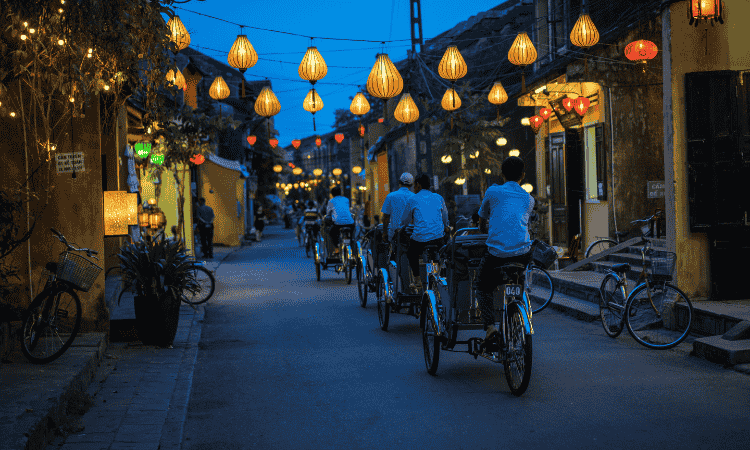 Vietnam What to see in Hoi An: the city of lanternsThere are places that seem designed for you to stop, breathe, and simply enjoy. Hoi An is one of them. Small, charming, and full of…October 12 2026
 Vietnam The best time to travel to VietnamDiscover the best time to travel to Vietnam based on weather and budget. Plan your ideal trip with our tips and recommendations.March 4 2025